
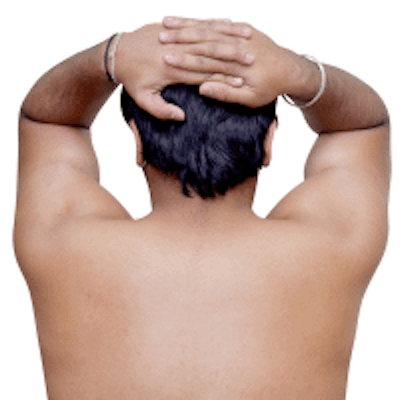
Understanding Hair Patterns
Hair growth patterns in men are influenced primarily by hormones and genetics. Male hormones, androgens, play a crucial role in stimulating hair growth on the face and body. Generally, higher androgen levels result in faster and coarser hair growth.
The Impact of Puberty
Beginning at puberty and often accelerating during the 20s, men typically experience an increase in total body hair. This change can be disconcerting, especially as hair begins to grow in unexpected areas like the shoulders and back.
Hormonal Influences
Normal androgen levels can vary widely among men, which can make it difficult to pinpoint the cause of unwanted hair growth. While some may consider medical solutions, such as estrogen or testosterone blockers, these options can have side effects, including impacts on libido. The exception to this is men undergoing gender transition, who may take female hormones to feminize their bodies.
Genetic Factors
The hair patterns men develop most often stem from hereditary factors. Interestingly, even if only one male in a family shows excessive hair growth, the genetic trait may be inherited from the maternal side or may skip generations.
Effects of Steroid Use
Men who use bodybuilding steroids may notice an increase in hair growth, particularly on their backs. Additionally, coarse hair may develop in the nose and ears, eyebrows can become bushier, and hairlines may recede. Men with extensive body hair may also be more prone to early baldness.
Treatment Options
For those looking to manage unwanted hair growth, options like laser hair removal and electrolysis are available. The back is one of the most commonly treated areas. An assessment is essential to determine if the hair growth has stabilized before providing an estimate for treatment.
It is important for those seeking treatment to know that hair growth on the back may start at puberty and continue to populate into their 50's or 60's. The appearance of back hair may also begin later in life. With aging, other body hair typically diminishes, starting with the legs and arms, and scalp, but the back tends to have the reverse response.